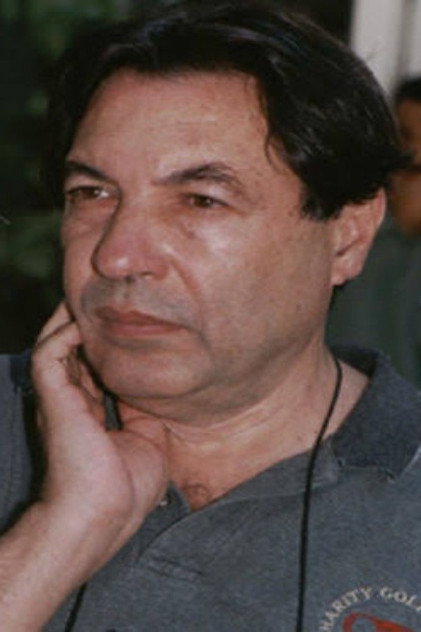
مأمون البني
Personal information
- Known for
- Создатель
- Known credits
- 5
- Gender
- Мужской
- Place of birth
- Damascus, Syria
- Also known as
- مأمون البني
Biography
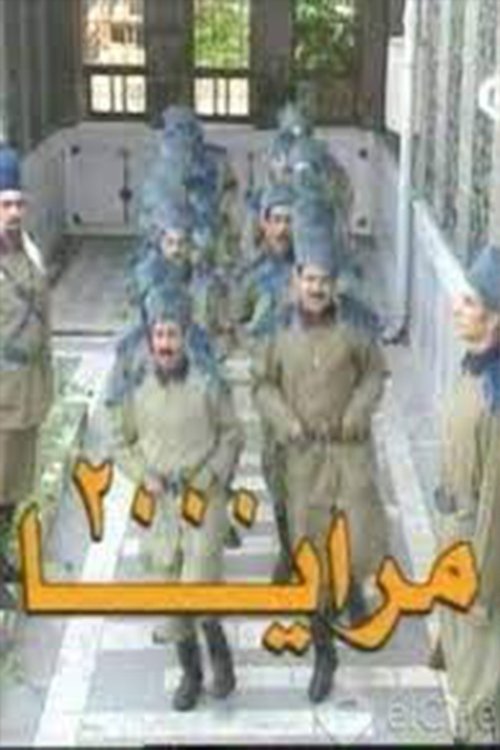
Mamoun Al-Bunni was a Syrian director who earned a diploma in cinematography and a master’s degree in film directing in France. He contributed nearly twenty productions to Syrian television drama, frequently collaborated with writer Mamdouh Adwan, and directed six consecutive installments of the acclaimed satirical comedy series Maraya, starring Yasser Al-Azmeh.
Al-Bunni was born in Damascus on July 1, 1944. After completing high school in Syria, he received a scholarship to study cinematography at the Louis Lumière Institute in Paris. During his studies, he met prominent filmmakers and was particularly influenced by Jean-Luc Godard and François Truffaut, who were visiting lecturers. In his final year, he decided to pursue directing. After earning his cinematography diploma, he worked in French television and later enrolled at Paris 8 University, where he earned a master’s degree in directing. He joined the Syrian Artists Syndicate in 1974.
His friendship with Yasser Al-Azmeh led to their collaboration on several installments of Maraya, beginning with Maraya 1997. He also worked in Gulf television, directing the Kuwaiti social drama Bayn Al-Hadb Dam‘a.
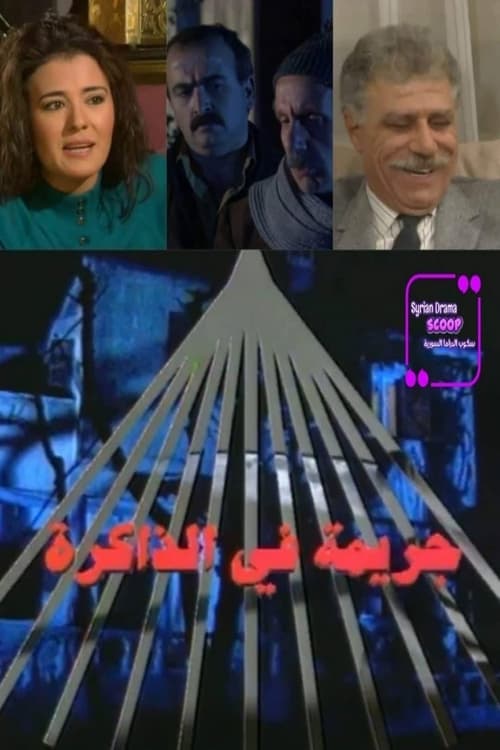
Among Al-Bunni’s Syrian television works were Women Without Wings (1987), The Spider’s Web (1990), A Crime in Memory, The Disappearance of a Man (1992), Roots Never Die (1993), The Bloody Dowry (1994), Retribution (1996), The Con Artists and The Fortresses (1998), Tales (2000), Tales of Maraya (2001), Sayf ibn Dhi Yazan (2003), We Lived and Saw (2004), Days of Youthful Mischief (2006), and Rafiq and Ikrimah (2008).
Al-Bunni also collaborated with French writer Jean Genet on the screenplay for Dead for Palestine, a film dealing with events surrounding his graduation from Paris 8 University in the early 1970s. It also addressed the story of Archbishop Hilarion Capucci, the exiled Melkite Greek Catholic archbishop of Jerusalem, and the assassinations of Palestine Liberation Organization representatives abroad.
The film sparked major controversy in France. Al-Bunni said French police pressured him and that Jewish organizations in Paris attempted to prevent the film from being screened. His residency was eventually revoked, but attorney Michèle Beauvillard helped him challenge the decision and restore it. Al-Bunni later recalled that the French ambassador attended a screening in Damascus and admired the film, which helped him obtain French citizenship in 1980.
In 2013, Al-Bunni wrote that, after preparations had begun for Maraya 2013, Yasser Al-Azmeh informed him that he would not direct that season. The decision ended a collaboration that had lasted six seasons. Maraya, which began in 1982, was directed by several filmmakers over the years, with Al-Bunni directing more installments than any other director.
This biography is only available in English.