Paul Bourget
Персональная информация
- Известность
- Writing
- Всего проектов
- 5
- Пол
- Male
- Дата рождения
- September 2, 1852
- Дата смерти
- December 25, 1935
- Место рождения
- Amiens, Somme, Picardie, France
- Другие имена
- Paul-Charles-Joseph Bourget
Биография
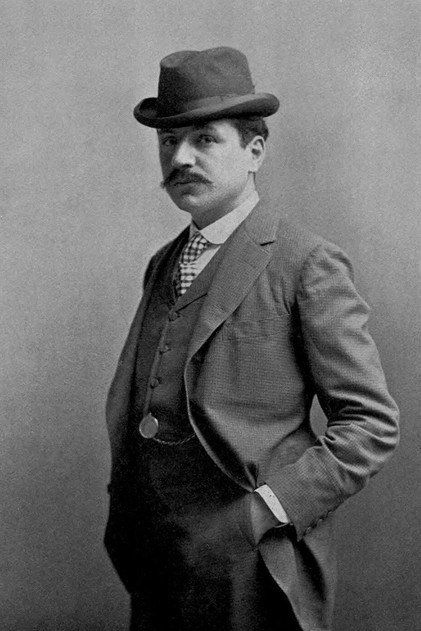
Paul Bourget was a French novelist and critic who was a master of the psychological novel and a molder of opinion among French conservative intellectuals in the pre-World War I period.
After completing his studies in philosophy, Bourget began his career as a poet, and several of his poems were set to music by Claude Debussy. Encouraged and deeply influenced by the critic Hippolyte Taine, he published a series of essays tracing the sources of contemporary pessimism to the works of Stendhal, Gustave Flaubert, Charles Baudelaire, Taine, and Ernest Renan. Fashionable in their day because of their high-society setting, his early novels, such as Cruelle Énigme (1885), Un Crime d’amour (1886), and André Cornélis (1887), were careful psychological studies.
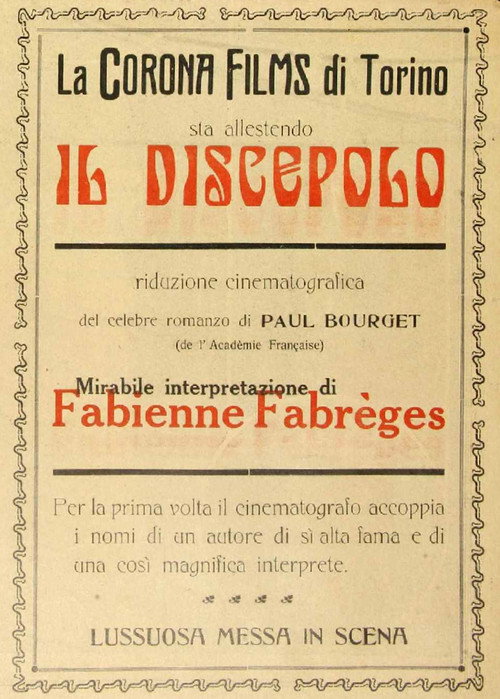
Bourget’s most important novel, Le Disciple (1889), heralded a marked change in his intellectual position. Prefaced by an appeal to youth to abide by traditional morality rather than modern scientific theory, the novel portrays the pernicious influence of a highly respected positivist philosopher and teacher (who strongly resembles Taine) on a young man. Applying the philosopher’s teachings to life, the young man plays dangerous games with human emotions that end in a tragic crime. Bourget was converted to Roman Catholicism in 1901. His later novels, such as L’Étape (1902) and Un Divorce (1904), are increasingly didactic theses in support of the church, traditionalism, nationalism, and monarchy.